


Wildfire Smoke and Its Effects on Workers
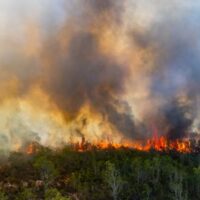
Wildfires may occur hundreds or even thousands of miles away, but their effects can reach Florida workplaces. Smoke from wildfires can travel long distances, bringing fine particles, gases, and ash into the air. When air quality deteriorates, Florida workers who spend time outdoors or in buildings with inadequate ventilation may face increased risks of respiratory and other health problems.
Wildfire smoke can affect a variety of Florida workers, including construction workers, landscapers, agricultural employees, road crews, delivery drivers, hospitality workers, and others who regularly work outdoors. Wildfire smoke contains extremely small particles that can penetrate deep into the respiratory system. Exposure may cause coughing, throat and eye irritation, headaches, dizziness, fatigue, and difficulty breathing.
Workers with asthma, chronic obstructive pulmonary disease, bronchitis, or other respiratory conditions may be particularly vulnerable when air quality deteriorates. Wildfire smoke can also create additional risks for people who already have an increased risk of heart attack or stroke.
For workers performing physically demanding jobs, smoke exposure can be especially concerning. Strenuous activity causes a person to breathe more heavily, potentially increasing the amount of contaminated air entering the lungs.
Depending on the circumstances, exposure to wildfire smoke could contribute to a workplace illness or injury. A worker who develops respiratory problems, suffers an exacerbation of an existing condition, or experiences another health problem after significant workplace exposure may have grounds to investigate whether the condition is work-related.
What Should Florida Employers Do?
Employers have a responsibility to address recognized workplace hazards. The Occupational Safety and Health Administration (OSHA) requires employers to provide a workplace free from recognized hazards that are causing or are likely to cause death or serious physical harm. OSHA has specifically stated that, although there is no federal standard addressing wildfire smoke exposure, employers should consider steps to protect workers when smoke creates unhealthy air conditions.
Depending on the circumstances, employers may consider:
- Monitoring local air-quality conditions and the Air Quality Index (AQI)
- Limiting outdoor work when air quality becomes unhealthy
- Moving work indoors when feasible
- Improving indoor ventilation and air filtration
- Keeping doors and windows closed when outdoor air is contaminated
- Providing appropriate respiratory protection when necessary
- Allowing additional breaks in areas with cleaner air
- Adjusting work schedules to reduce exposure
- Training employees to recognize symptoms of smoke exposure
- Having procedures for responding to worsening air quality
Employers should also consider the interaction between wildfire smoke and other workplace hazards. For example, a construction worker performing strenuous physical labor in extreme heat while breathing wildfire smoke may face multiple overlapping risks.
Learn More About Corporate Law
Companies need to do what they can to protect workers, and that includes understanding the effects of smoke exposure and keeping employees healthy.
If you have concerns about the legal ramifications of heat and smoke exposure for your employees, contact an Orlando corporate lawyer B.F. Godfrey from Godfrey Legal. We can answer your questions and provide solutions for your company’s problems. Call (407) 890-0023 or fill out the online form to schedule a consultation.
Source:
ogletree.com/insights-resources/blog-posts/wildfire-smoke-at-the-workplace-safety-and-legal-considerations-for-employers/
